
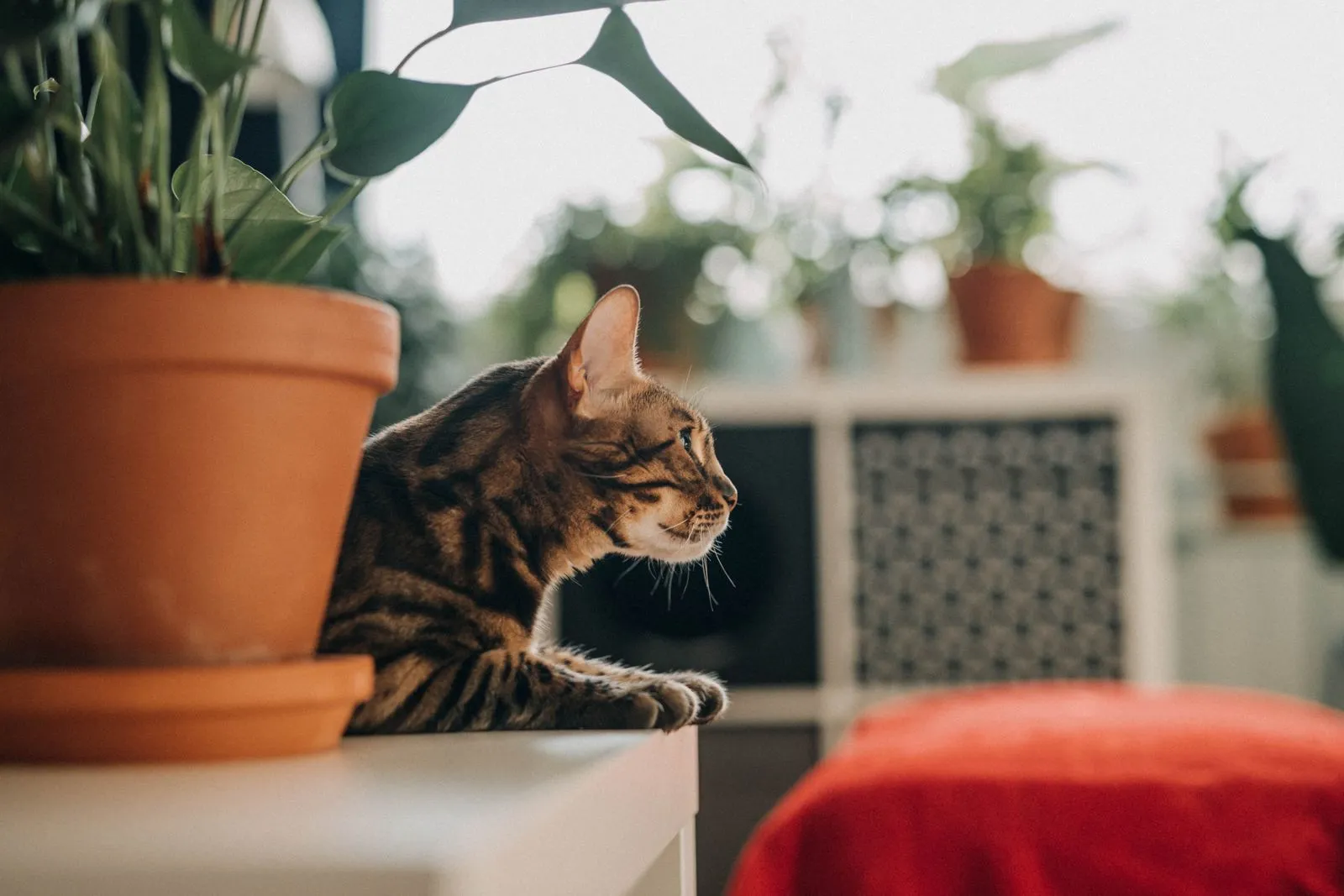
A new houseplant can bring color and life indoors, but a plant that is safe for people may still be harmful to cats or dogs. Before buying, confirm the plant’s exact identity and check trustworthy pet-toxicity guidance. Then consider your pet’s habits and where the plant will live. A few careful checks can help you choose greenery with more confidence—and plan what to do if a curious pet takes a bite.
Confirm the plant’s identity
Start with the plant’s botanical name, not just a common name. Common names can refer to different plants, and labels may be vague. Ask the seller for the full name and check that it matches the plant you are buying. If the label lists only a broad group or a nickname, request clarification before bringing it home.
Check that the name on the tag matches the plant’s appearance and any care information provided. Keep the label or take a photo of it. If your pet later chews the plant, an accurate name can help a veterinarian or poison-control professional give appropriate advice.
Check reliable safety guidance
Look up the plant using a reputable veterinary or animal poison-control resource. Confirm that its guidance applies to your pet—cats and dogs can have different risks. Read the full entry rather than relying on a search snippet or a seller’s broad claim that a plant is “pet friendly.” Some plants may cause mild irritation, while others can cause more serious problems.
Safety can depend on the plant part, amount eaten, and the animal. If a source is unclear or the plant is not listed, do not assume it is safe. Ask your veterinarian for guidance or choose a different plant with a clearly documented safety profile.
Plan for curious pets
Think about how your pet behaves at home. Cats may chew leaves or climb onto shelves; dogs may investigate pots, soil, or fallen foliage. Choose plants that suit those habits, and place them where your pet cannot reach them if you are unsure. A high shelf is not a reliable barrier for a climbing cat, and a plant stand may tip if a dog bumps it.
Keep leaves, stems, and trimmings off the floor, and check for fallen pieces during routine care. Avoid using plant treatments or fertilizers unless you have confirmed they are appropriate around pets and followed the label directions. A plant listed as non-toxic can still cause stomach upset if an animal eats a large amount.
Prepare before bringing it home
Before purchase, inspect the pot and foliage for pests or damage, and ask whether the plant has been treated with products that may matter around pets. At home, set it in its planned location before letting your pet explore the room. Keep the plant tag and care instructions together so you can identify it later.
If your pet chews a plant, remove access and contact your veterinarian for advice. Do not wait for symptoms if you suspect the plant may be toxic. Share the plant’s name or a clear photo, along with what your pet may have eaten and when. Follow professional instructions rather than trying home remedies.
Choosing a suitable houseplant starts with an accurate name, a reliable safety check, and a realistic plan for keeping it away from curious paws. When details are uncertain, choose another plant or ask your veterinarian before buying. Paws & Fronds can help you review plant options for your home and pets.